Sistemas Híbridos de Energías Renovables: la solución prometedora que sigue aportando valor
Los Sistemas Híbridos de Energías Renovables (SHER), una combinación de dos o más fuentes de generación de energía, están ganando cada vez más protagonismo en el sector de las energías limpias.
Pero, ¿qué es un sistema renovable? Estas tecnologías aprovechan fuentes naturales inagotables —sol, viento, agua, biomasa, calor terrestre y mareas— para generar energía limpia. Son fundamentales para la transición energética, ya que no utilizan combustibles fósiles y emiten pocos o ningún gases de efecto invernadero, combatiendo el cambio climático.
El mercado está creciendo rápidamente — alrededor de un 8,33 % anual. Los gobiernos están apoyando los proyectos híbridos, se están formando nuevas asociaciones público-privadas y la tecnología actual permite muchas combinaciones híbridas más allá del tradicional esquema solar-diésel.
Las plantas eléctricas utility-scale están adoptando sistemas híbridos para satisfacer la creciente demanda energética. Algunas están pensando en “hibridar” instalaciones que ya se encuentran en producción mientras que otras están construyendo plantas híbridas modernas desde cero.
¿Por qué están en auge los Sistemas Renovables Híbridos?
Durante mucho tiempo, los sistemas de energías renovables dependieron principalmente de un solo recurso: solar, eólico o hidráulico. Aunque esto era más limpio que el uso de combustibles fósiles, presentaba un gran desafío: mayor intermitencia.
- La energía solar.
- La energía eólica.
- Estos recursos tienen un alto grado de incertidumbre en su predicción.
Otro factor clave fue el rápido aumento de la producción de energías renovables, impulsado especialmente por los objetivos de neutralidad de carbono de la Unión Europea. Si bien estaban preparados para gestionar el excedente energético, los costes eran muy altos.
Por esto y más factores, el desarrollo hacia sistemas híbridos se dio para tener un perfíl más homogéneo de generación renovable. Tanto de forma diaria como estacional.
¿Qué es un Sistema Híbrido de Energías Renovables?
Un SHER ombina dos o más tecnologías de generación renovable y, en muchos casos, sistemas de almacenamiento energético, operando de forma coordinada para mejorar la fiabilidad, la estabilidad y la eficiencia del suministro eléctrico.
En función de su diseño, un HRES puede integrar distintas tecnologías de generación, como por ejemplo:
- Solar fotovoltaica
- Energía eólica
- Hidráulica
- Geotermia, entre otras
Además, muchos sistemas híbridos incorporan almacenamiento en baterías (BESS) para gestionar la variabilidad de los recursos renovables y desacoplar la generación del consumo.
Para garantizar una operación segura, eficiente y conforme a los requisitos de red, estos sistemas suelen apoyarse en elementos de control y conversión, como:
- Convertidores e inversores
- Sistemas de Gestión de la Energía (EMS)
Estos componentes no definen el carácter híbrido del sistema, pero son fundamentales para coordinar las distintas fuentes de energía, optimizar el despacho y asegurar la estabilidad operativa.
Tipos de Sistemas Híbridos de Energías Renovables
En teoría, las posibilidades de un sistema híbrido son infinitas. Sin embargo, algunas de las configuraciones más comunes que actualmente se utilizan en el sector utility incluyen:
Solar + Eólica
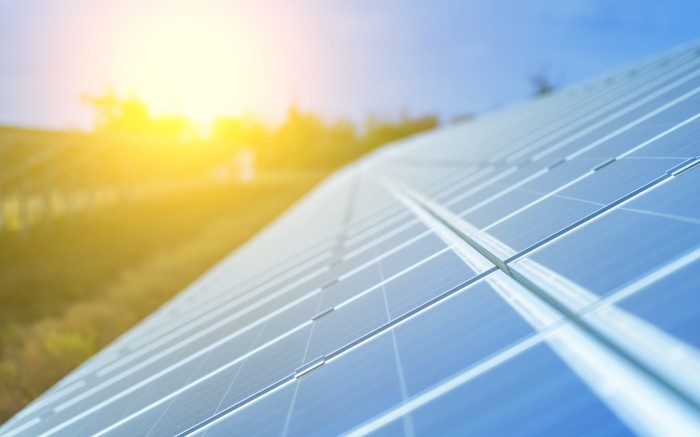
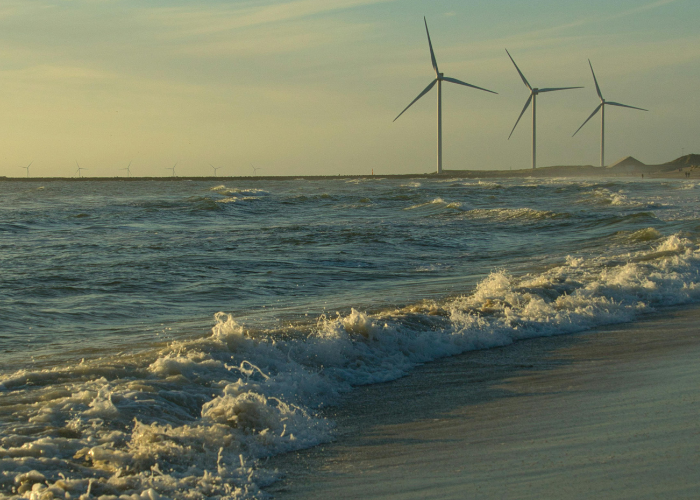
Las células fotovoltaicas generan energía cuando hay radiación solar, mientras que la energía eólica se produce siempre que las condiciones de viento lo permiten. Al operar de forma complementaria y simultánea, ambas tecnologías reducen la variabilidad del sistema y mejoran la estabilidad del suministro.
Solar + Hidráulica
La combinación de energía solar e hidráulica permite una operación altamente flexible, ya que la generación hidroeléctrica puede ajustarse para compensar la variabilidad de la solar.
Un caso de uso común es la instalación de paneles solares flotantes sobre embalses hidroeléctricos, pero esta hibridación no se limita exclusivamente a configuraciones de floating PV. También puede implementarse mediante plantas solares terrestres cercanas a infraestructuras hidroeléctricas existentes, compartiendo conexión a red, sistemas de control o puntos de evacuación.
Beneficios:
- Mejor aprovechamiento del espacio y de la infraestructura existente
- Reducción de la variabilidad y mayor capacidad de regulación del sistema
- Incremento de la producción energética total sin necesidad de nuevas concesiones hidráulicas
Hidráulica + Eólica
En esta configuración, la capacidad de regulación y despacho de la generación hidráulica permite compensar la variabilidad inherente de la energía eólica. Cuando el recurso eólico disminuye, la producción hidroeléctrica puede incrementarse para mantener la estabilidad del suministro, y viceversa.
Esta complementariedad reduce las limitaciones propias de los sistemas de una sola fuente, mejora la continuidad operativa y permite una gestión más predecible de la energía entregada a la red.
Otras configuraciones incluyen solar + geotermia, renovables con respaldo diésel, o incluso solar + producción de hidrógeno.
Ventajas de los Sistemas Híbridos de Energías Renovables
Los sistemas híbridos optimizan todo el proceso de las energías renovables — generación, almacenamiento y distribución — ofreciendo un nivel de fiabilidad que los sistemas de una sola fuente rara vez pueden igualar. Al combinar múltiples recursos renovables y complementarlos con soluciones modernas de almacenamiento, los SHER proporcionan un suministro energético más estable y predecible.
1. Suministro ininterrumpido y mayor fiabilidad
Una de sus principales ventajas es la continuidad. Al no depender de un único recurso, el sistema puede reducir el “problema de la intermitencia” que afecta a las configuraciones renovables tradicionales. Cuando una fuente rinde por debajo de lo esperado — por ejemplo, la solar en días nublados — otra fuente o el sistema de baterías puede compensarlo. Esto reduce el desperdicio, minimiza las fluctuaciones de potencia y garantiza un flujo de energía más constante hacia la red o los usuarios finales.
2. Mejora de la eficiencia de extremo a extremo
La eficiencia también aumenta de forma significativa gracias a una correcta separación entre optimización estratégica y control operativo.
El Sistema de Gestión de la Energía (EMS) se encarga de la toma de decisiones de alto nivel, como la optimización económica, la planificación de la operación, el análisis de costes y los pronósticos de generación y demanda. A partir de estos criterios, el EMS define las consignas y estrategias óptimas de operación.
La ejecución en tiempo real a nivel de planta recae en el Power Plant Controller (PPC), que actúa sobre los distintos activos —generación, almacenamiento y conversión— garantizando el cumplimiento de las consignas del EMS y de los requisitos de la red eléctrica.
Esta separación de funciones permite una operación más eficiente, fiable y escalable, mejor preparada para adaptarse tanto a las condiciones del mercado como a las variaciones dinámicas del sistema.
3. Versatilidad en la integración con la red
Otro beneficio importante es la flexibilidad en la integración con la red eléctrica. Los sistemas híbridos pueden operar conectados a la red principal o de forma independiente en entornos aislados (off-grid). Cuando están conectados a la red, ayudan a estabilizar los niveles de tensión y a mejorar la resiliencia general del sistema. Además, su escalabilidad los hace más viables económicamente, permitiendo despliegues de mayor tamaño sin comprometer el rendimiento.
Aplicaciones de los Sistemas Híbridos de Energías Renovables en plantas eléctricas a gran escala
Para los grandes proveedores de energía, los sistemas híbridos ofrecen claras ventajas operativas y financieras. Permiten optimizar la generación y el almacenamiento, mejorar la continuidad del suministro y reducir la dependencia de combustibles fósiles. Además, facilitan una gestión más eficiente de la infraestructura existente, minimizando fallos mecánicos y maximizando la producción energética total.
Los sistemas híbridos permiten un mejor aprovechamiento del terreno y de la infraestructura existente. Al combinar dos fuentes de energía renovable en la misma instalación, las plantas pueden maximizar la producción de los activos actuales y aprovechar sinergias entre generación y almacenamiento.
Aunque la inversión inicial en sistemas híbridos suele ser mayor que en plantas de una sola fuente, los beneficios a largo plazo incluyen una mayor estabilidad del suministro y una reducción de la dependencia de combustibles fósiles, lo que protege a la planta frente a la volatilidad de los precios del combustible.
Para los proveedores de energía que operan a gran escala, la transición hacia sistemas híbridos de energías renovables — o la modernización de infraestructuras existentes con capacidades híbridas — suele convertirse en una decisión estratégica que mejora tanto el rendimiento como la rentabilidad a lo largo del tiempo.
El beneficio Bluence
Bluence ofrece una plataforma SaaS diseñada para simplificar y optimizar las operaciones de las plantas de energías renovables en todos los niveles. A través de su SCADA Central, los operadores obtienen visibilidad remota y en tiempo real de todos los activos renovables, integrando de forma fluida la monitorización tanto a nivel de planta como de portafolio.
En planta, los SCADA locales y el Master Power Plant Controller (PPC) son los encargados de ejecutar la hibridación real: coordinan la generación de distintas fuentes, gestionan el almacenamiento y aseguran el cumplimiento de los requisitos de la red en tiempo real. Por su parte, el Asset Performance Manager (APM) mejora el rendimiento de los sistemas actuales mediante analítica inteligente, identificando oportunidades de optimización y habilitando el mantenimiento predictivo.
Gracias a esta combinación, Bluence permite una operación integrada y eficiente, donde la planificación estratégica se traduce en un control real y efectivo de la energía híbrida dentro de la planta.
Si estás listo para descubrir cómo Bluence puede apoyar tus operaciones energéticas, puedes reservar una demostración y conocer sus capacidades en acción.

.jpeg)