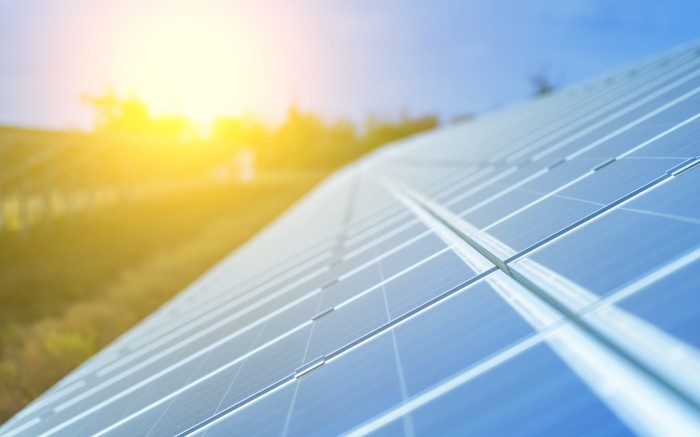
Solar energy is a popular topic today. There are clear reasons for this interest. Solar power offers a renewable and clean way to generate electricity. These qualities make it appealing to many people and industries.
Setting up solar panels can require a significant upfront cost. Some places might not get enough sunshine year-round to make solar power reliable. Yet, despite these challenges, many still find benefits in adding solar energy to their homes or businesses.
Adding solar power can reduce electricity bills substantially over time. Government incentives and dropping prices for solar panels are changing the playing field. By weighing the pros and cons, people can make informed choices about using solar energy.
Understanding Solar Energy and How It Works
Solar energy is a popular topic today. There are clear reasons for this interest. Solar power offers a renewable and clean way to generate electricity. These qualities make it appealing to many people and industries.
What makes it so important is that it can significantly reduce utility bills and carbon footprints. However, it requires high upfront installation costs, is dependent on local weather and roof orientation, and requires significant upfront investment.
Setting up solar panels can require a significant upfront cost. Some places might not get enough sunshine year-round to make solar power reliable. Yet, despite these challenges, many still find benefits in adding solar energy to their homes or businesses.
Adding solar power can reduce electricity bills substantially over time. Government incentives and dropping prices for solar panels are changing the playing field. By weighing the solar energy pros and cons, people can make informed choices about using solar energy.
Solar energy uses the sun's rays to create power. It involves technology like solar panels and systems that convert sunlight into electricity. These solutions provide an eco-friendly alternative to traditional power sources. There is a variety of solar systems available, each designed to meet specific energy needs.
How Do Solar Panels Work?
Solar panels capture sunlight and convert it into electricity. Photovoltaic (PV) cells within the panels are key to this process. They are made of semiconductor materials such as silicon.
When sunlight hits these cells, it displaces electrons and creates an electric current. This process is known as the photovoltaic effect.
Solar panels perform best in direct sunlight, but they still generate power on cloudy days. They require little maintenance and can last 20–25 years or more.
Types of Solar Power Systems
There are several types of solar power systems designed to suit different needs. The three main types are:
Grid-tied system: Connected to the public electricity grid. It allows for net metering, where excess electricity is fed back into the grid, reducing power bills.
Off-grid system: Functions independently of public power systems. It stores energy in batteries, making it ideal for remote areas without grid access.
Hybrid system: Combines grid-tied and off-grid benefits. It uses batteries for energy storage and connects to the grid for added flexibility.
Each system type has its benefits and is selected based on personal energy needs and location.
The Main Pros of Solar Energy
Renewable Resource
Solar energy comes from the sun, making it an endless source of power. As long as the sun shines, there is access to solar energy. This helps reduce dependence on fossil fuels.
Environmentally Friendly
Solar energy systems produce little to no pollution. Unlike burning fossil fuels, solar panels do not emit greenhouse gases. This makes them a cleaner option for energy production.
Reduces Electricity Bills
Using solar energy can lead to lower electricity bills. Solar panels generate electricity that can power homes and businesses. This can result in significant savings over time.
Low Maintenance Requirements
Once installed, solar panels require minimal maintenance. Regular cleaning and periodic checks help ensure they function properly. Most solar panels come with warranties that can last 20 to 25 years.
Versatile Applications
Solar energy has various uses. It can power homes, heat water, and even charge batteries. Solar technologies are adaptable to different needs and locations.
Job Creation
The solar industry creates many jobs. These include roles in manufacturing, installation, and maintenance. As demand grows, more employment opportunities arise.
Improves Energy Independence
With solar power, communities can reduce reliance on imported fuels. This promotes energy independence and security. It also supports local economies by keeping energy production within the region.
The Main Cons of Solar Energy
While there are many benefits, it is also important to understand the cons of solar energy before making an investment.
One of the main issues is the high initial cost. Installing solar panels can be expensive due to equipment prices and installation fees.
Another challenge is dependence on weather conditions. Solar panels rely on sunlight to generate power, so cloudy or rainy days can reduce energy production.
Some people have aesthetic concerns. Solar panels may be viewed as unattractive additions to rooftops or landscapes, affecting the appearance of properties.
Space requirements can also be a drawback. Solar panels need adequate installation space to operate efficiently. Not all buildings or locations have enough room for a complete solar setup.
Solar panels are not very effective at night. Because they only generate electricity when the sun is shining, households need alternative energy sources after dark.
Energy storage is another challenge. Batteries used to store solar power can be costly and require maintenance, increasing the overall investment.
Finally, the limited lifespan of solar panels can be a concern. Most panels last about 25–30 years, after which they may need replacement, resulting in additional costs.
These factors are often cited among the key disadvantages of solar energy and should be considered when evaluating the pros and cons of solar energy.
Comparing Solar Energy With Other Renewable Energy Sources
Solar vs. Wind Energy
Energy source: Both use renewable resources—sunlight for solar power and wind for wind turbines.
Cost and efficiency: Solar panels work best in sunny areas, while wind turbines require consistently windy locations. Solar technology is often more affordable for small-scale installations, whereas wind can be more efficient on a large scale.
Environmental impact: Wind farms can affect bird migration, while solar installations may require significant land space. Both have a lower carbon footprint than fossil fuels.
Solar vs. Hydroelectric Power
Location needs: Hydroelectric power relies on damming rivers, which can be costly and may have environmental impacts. Solar panels can often be installed on rooftops, requiring less infrastructure.
Energy output: Hydroelectric plants provide a consistent energy supply regardless of weather conditions. Solar energy depends on sunlight, making it less predictable.
Environmental concerns: Dams can affect aquatic ecosystems, while solar panel manufacturing may involve toxic materials. However, solar has a smaller impact on water systems.
Solar vs. Geothermal Energy
Resource availability: Geothermal energy uses the Earth's internal heat and is only practical in areas with geothermal activity. Solar energy is more widely applicable, although its effectiveness depends on sunlight availability.
Installation cost: Geothermal installations can be expensive because of drilling requirements, while solar panels generally have lower upfront costs.
Sustainability: Geothermal energy provides constant power without daily fluctuations. Solar energy, although less consistent, can be more scalable and adaptable across different environments.
The Future of Solar Energy
Solar energy is poised for significant growth, driven by technological advancements and increasing global support. Innovations such as high-efficiency solar panels and emerging technologies like solar paint and solar windows promise to expand applications beyond traditional installations. Improved battery systems help ensure better energy storage, enhancing reliability even during non-sunny periods.
Government incentives and widespread adoption of solar farms are accelerating the transition to clean energy. These farms supply power to communities while reducing carbon emissions. As competition grows, prices continue to fall, making solar more accessible to homes and businesses.
While challenges such as grid infrastructure and space limitations persist, the rapid pace of innovation and strong policy support signal a bright future for solar energy.
References
- Status, trends, challenges and the bright future of solar electricity from photovoltaics
- A Comprehensive Overview of Photovoltaic Technologies and Their Efficiency for Climate Neutrality
- A Photovoltaic Technology Review: History, Fundamentals and Applications
.jpeg)