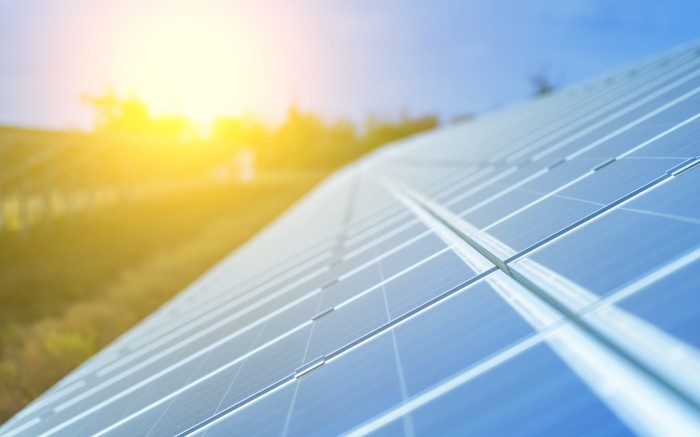
Artificial Intelligence (AI) is changing how we produce, distribute, and manage energy. It can make power plants more efficient, reduce production costs, and make energy systems more resilient. This is especially important in the renewable energy sector, where variability and complexity are major challenges.
Experts see AI as one of the biggest enablers the energy sector has ever had. Its potential impact is huge across the entire energy value chain.
AI in the Energy Sector: Key Applications
When we talk about AI, we are not referring to a single tool. It includes several technologies such as machine learning, automation, deep learning, and computer vision. Together, they help solve many of the sector’s current problems.
1. Intelligent Forecasting
One of the biggest issues in renewable energy is grid stability. Solar and wind are intermittent, so output can change quickly.
Intelligent forecasting uses AI and machine learning to analyze historical data, trends, and real-time weather conditions. By recognizing patterns, it can predict near-term energy production with much greater accuracy.
For large and hybrid power plants, this helps reduce the impact of intermittency and improves resource planning. For grid operators, it reduces uncertainty and gives them more flexibility to respond to changes in supply and demand.
2. Predictive Maintenance
Unplanned downtime in renewable plants is both an operational and financial problem. Something as simple as dust on solar panels or wear and tear on wind turbine components can reduce the plant’s output, especially at large scale.
Predictive maintenance uses AI to monitor equipment, detect early signs of failure, and suggest preventive actions before minor issues turn into major breakdowns.
For example, using predictive maintenance can reduce wind turbine failures by around 20%. Over time, this means fewer disruptions, higher efficiency, and lower repair and maintenance costs. At a broader level, it can help increase productivity across the entire renewable energy value chain.
3. Smart Grids
Smart grids apply AI and machine learning to modernize electricity networks. They can learn from demand patterns and respond in real time.
These grids use intelligent sensors to redirect power where it is most needed and to redistribute stored energy when demand spikes. This helps avoid overloads and reduces the risk of large-scale outages.
Smart grids are useful not only for new hybrid renewable plants, but also for traditional electricity utilities that want to manage supply more efficiently.
4. Optimized Energy Storage
Renewable energy production is growing fast, but storage capacity has not kept pace. Many storage systems are not designed for long-duration storage and cannot be easily scaled. As a result, excess energy is often wasted, or infrastructure remains underused.
AI-based optimization algorithms can improve how this stored energy is managed. They can automatically store excess energy during low-demand periods and release it when demand is high. They can also factor in grid stability, price spikes, and other conditions.
This leads to better use of existing storage assets and less waste of renewable energy.
5. Intelligent Trading
Energy trading is complex. It is influenced by regulations, market volatility, policy constraints, and the integration of renewable resources. Traditional trading methods often fail to capture real-time changes in the market.
AI and predictive analytics can track market conditions in real time, identify opportunities, and support more informed trading decisions.
This helps stakeholders at all levels, from identifying new opportunities to closing high-value deals and managing their portfolios more effectively. In this way, AI can make the trading side of the energy business smoother and more transparent.
AI in the Energy Sector: The Challenges
Even though AI offers many benefits, its adoption in the energy sector is still limited and fragmented. Some of the main reasons are:
- Many utility-scale power plants lack the infrastructure to support full integration of advanced AI solutions.
- Implementation costs are high, both in technology and in integration efforts.
- Awareness of how important AI can be for optimizing renewable energy systems is still low.
- Data security concerns and policy restrictions slow down wider adoption.
There is also another important issue: AI itself consumes a lot of electricity. Power use from AI data centers is expected to reach about 945 terawatt-hours (TWh) by 2030, which is more than the current electricity consumption of Japan.
Despite all this, these challenges can be solved. As AI is being integrated into almost every industry worldwide, the energy sector is also moving in that direction, and the outlook remains positive.
The Future
Going forward, the energy sector needs AI solutions that are not only powerful but also energy efficient. AI should help optimize the value chain without becoming a major source of extra consumption.
Future progress will depend on:
- Developing autonomous, easy-to-integrate solutions that do not require massive infrastructure changes
- Making AI tools more affordable so they can be adopted more widely
- Democratizing access so that smaller players can benefit, not just large utilities
Another key factor is talent. The sector needs professionals who understand both the energy market and the practical use of AI. Once this skills gap is reduced, many current obstacles will be easier to overcome.
Collaboration will also play a big role. Tech companies, energy firms, and governments will need to work together to create standards, support secure data use, and encourage innovation. Many of these collaborations are already happening, even if the full impact will take time to show.
The Bluence Benefit
Adopting AI in renewable energy does not have to feel experimental or risky.
Bluence is an all-in-one SaaS solution designed to make advanced AI more accessible to energy companies. It is built to be flexible, so it works for both single-plant operators and utilities with large, diverse portfolios.
Bluence currently serves around 3,500 plants. The software is:
- 100% agnostic, so it can work with different technologies and setups
- NERC-CIP compliant, meeting key regulatory and O&M requirements
- Scalable, with strong interoperability and connectivity
- Equipped with protections against common threats such as unauthorized access
If you want to explore how Bluence can support the renewable energy ecosystem—through better forecasting, operations, and management—you can book a demo and speak with a member of the team to learn more.
.jpeg)