The energy sector is changing quickly. Wind farms are expanding into new regions, solar plants are appearing in places that previously relied on fossil generation, and battery storage systems are increasingly part of normal grid operations. What used to be a relatively predictable electricity system has become something much more dynamic.
For operators and energy companies, that shift introduces a practical problem. When infrastructure is distributed across multiple locations and operating under constantly changing conditions, understanding what is happening inside those systems becomes more difficult.
It’s not just about knowing how equipment should behave, it’s about seeing how it actually behaves in real time. This is where digital twins (DG) begin to enter the discussion.
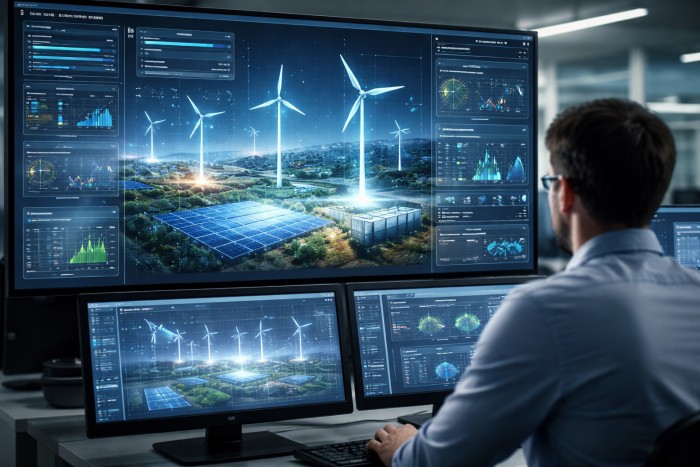
Digital twins in the energy industry are virtual representations of physical assets (like power plants, grids, and wind turbines) that use real-time information to simulate, oversee, and enhance performance. Studies suggest DG can significantly reduce maintenance costs and downtime, enhance efficiency, and strengthen grid stability for the integration of renewable energy. Their essential uses and advantages are:
- Predictive maintenance: By assessing real-time information from elements such as wind turbines or solar panels, DG can foresee malfunctions, minimizing downtime.
- Grid optimization: Utilities utilize DG to oversee intricate networks, avert failures, control energy storage, and enhance resilience, particularly with the rise of renewable energy.
- Asset management and design: Within the oil and gas industry, digital twins enhance drilling and construction, offering a comprehensive log for upcoming operations and maintenance.
By leveraging DG, energy companies can optimize operations across generation, transmission, and storage assets, improve predictive maintenance, and maximize the efficiency of both renewable and hybrid systems.
What’s a Digital Twin?
A digital twin is a virtual representation of a physical asset or system. That asset could be a single machine, like a wind turbine, or it might represent an entire facility, like a solar power plant. In some cases the model even extends to larger systems that include multiple energy assets interacting with each other.
What makes a digital twin different from a traditional engineering model is the connection to live operational data.
Most simulations are built during the design stage of a project. Engineers use them to estimate how equipment should perform under certain conditions. Those models are useful, but once the project is operational they rarely change very much. Digital twins are different, since they can evolve.
Sensors installed on physical assets collect information about operating conditions. Temperature levels, vibration patterns, power output, environmental data: the system is constantly measuring something. That information flows into monitoring platforms where the digital model is updated.
In simple terms, it’s a way of keeping a digital eye on a physical system. Over time, the digital model begins to mirror the real behavior of the equipment. Operators can observe patterns, analyze anomalies, and even simulate operational scenarios based on real data.
Why Digital Twins Are Becoming Important in Energy
Several developments are pushing DG into the spotlight within the energy sector. One of the biggest factors is the rise of renewable energy.
Unlike traditional power plants, renewable assets depend heavily on environmental conditions. Wind turbines respond to shifting wind patterns. Solar panels generate electricity depending on irradiance levels and weather conditions.
Production levels can change from hour to hour, sometimes even minute by minute. Operators must continuously assess whether changes are normal or signal an internal issue.
Large renewable portfolios may include dozens of turbines, thousands of solar modules, and multiple storage systems. Monitoring each component manually is not realistic.
Digital twins simplify this complexity by creating a centralized analytical view of asset behavior. Instead of isolated data points scattered across different systems, operators can observe how the entire infrastructure performs as a whole.
How Digital Twin Technology Helps the Energy Sector
Behind the scenes, rely on several layers of technology working together. Individually, these technologies are not new. What matters is how they are combined.
Data Collection Through Sensors and IoT Systems
Energy infrastructure already produces large volumes of operational information. Sensors measure electrical output, component temperature, vibration levels, wind speed, solar irradiance, and equipment status.
Wind turbines track rotational speeds and mechanical stress, solar systems monitor module temperature and inverter performance. Storage units measure charge cycles and thermal behavior. All of these signals create a detailed picture of how the system is functioning.
Real-Time Data Integration
The information must be integrated into systems capable of processing it continuously. Many operators rely on SCADA platforms and monitoring tools to centralize operational data streams.
Once these streams are combined, analytical models can begin interpreting them. Without this integration layer, a digital twin would simply be another disconnected simulation.
Analytics and Simulation Engines
The analytical layer is where DG begins to provide real value. Statistical models, machine learning tools, and engineering simulations process incoming data to identify patterns.
They estimate expected performance levels, detect anomalies, and simulate possible operational scenarios.
For instance, a wind turbine model might analyze how changing wind directions influence energy output. A solar plant model could examine how inverter configuration affects generation under different irradiance levels.
These insights allow operators to move beyond reactive maintenance strategies. Gradually, operations become more predictive.
Use Cases Across the Energy Value Chain
Digital twins are not limited to one specific part of the energy industry. They can appear across several stages of the value chain.
Power Plants and Generation Assets
Generation assets are one of the most common applications. Wind farms produce large volumes of performance data from turbines operating under varying environmental conditions. DG analyzes that data.
Sometimes the insights are subtle: a small efficiency drop, or a vibration pattern that appears slightly unusual for example. Over time, those signals can reveal emerging issues.
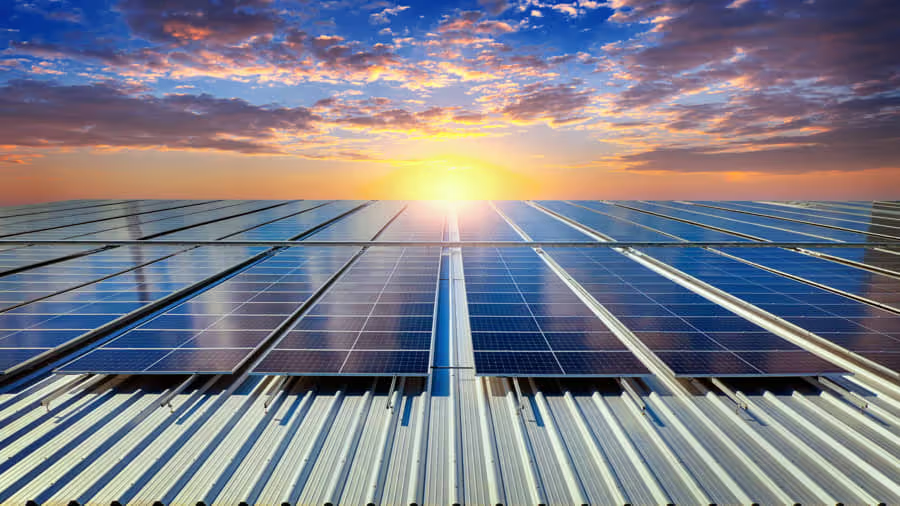
Solar plants present similar opportunities. Digital twins monitor inverter performance, track module degradation, and analyze how environmental conditions affect energy production.
Transmission and Distribution Systems
Grid operators are also experimenting with DG. Electricity networks are complex systems where supply and demand must remain balanced at all times. Digital models allow operators to test scenarios before making adjustments.
As distributed energy resources become more common, this capability becomes increasingly useful.
Asset Health Monitoring and Lifecycle Management
Another major application involves monitoring asset health over long periods of time.
Digital twins analyze historical data alongside real-time indicators to detect patterns associated with equipment wear. Small performance changes can indicate developing problems.
In practice, operators often notice the value of these insights gradually. Over months or years, the system begins to reveal patterns that would otherwise remain hidden.
Maintenance Planning and Failure Prediction
Predictive maintenance is one of the most widely discussed benefits of digital twins.
Instead of servicing equipment strictly according to fixed schedules, operators analyze actual operating conditions.
Analytical models estimate the likelihood of component failures based on historical performance patterns. Maintenance teams can then prioritize interventions more effectively.
Grid Stability and Operational Forecasting
Digital twins also support forecasting and operational planning. By combining operational data with environmental inputs and demand projections, operators can estimate future generation levels and identify potential constraints.
This becomes particularly important in electricity systems with high levels of renewable generation.
The Role in Renewable Energy
Renewable energy infrastructure introduces operational challenges that make DG particularly valuable.
Wind and solar production fluctuate depending on environmental conditions. Cloud cover shifts, wind speeds change, and seasonal patterns influence output. Digital twins help interpret those variations.
Wind Farm Applications
By analyzing operational data alongside environmental conditions, these models estimate expected production levels and detect deviations from normal performance.
They can also simulate how turbine placement or operational adjustments influence overall farm efficiency.
Solar Plant Applications
Solar plants use digital twins to monitor inverter behavior, track module degradation, and analyze environmental variables such as irradiance and temperature.
These insights help operators identify underperforming components and optimize system configurations.
Benefits of Digital Twins for Energy Companies
The benefits of digital twins often become clearer once systems have been operating for some time.
- Predictive Maintenance and Early Fault Detection: Continuous monitoring allows operators to detect patterns before failures occur. Early intervention reduces downtime and prevents expensive emergency repairs.
- Scenario Simulation and Operational Planning: DG also allows engineers to explore operational strategies in a digital environment before implementing changes in real infrastructure.
- Improved Planning for Infrastructure Development: When companies consider expanding renewable capacity or integrating storage systems, simulations can estimate how new assets might influence system performance.
- Risk Management and Forecasting: Energy markets rely heavily on accurate forecasting. DG improves forecast reliability by combining operational data with predictive models.
- Optimization of Renewable Generation and Storage: By continuously analyzing performance patterns, digital twins help operators refine strategies to maximize generation efficiency and storage utilization.
These are some of the most important benefits digital twin technology can provide to energy companies.
Bluence and Digital Twin–Related Capabilities
Many renewable energy management platforms now incorporate capabilities aligned with digital twin principles. For example, at Bluence, we provide cutting-edge technology to ensure the best results:
Integration with Asset Performance Management
Digital twin methodologies are closely connected to Asset Performance Management systems. Both rely on data analytics to evaluate asset health and detect anomalies. We integrate analytical tools that support these capabilities.
Real-Time Monitoring Through Central SCADA
Bluence also includes centralized SCADA monitoring. Operational data streams from distributed assets into a single interface where performance can be tracked in real time.
Performance Analytics and Forecasting
Advanced analytics modules analyze operational trends, compare expected output with real performance, and identify inefficiencies. These insights support more informed operational decisions.
Digital Twins Are a Must
Digital twins are gradually becoming part of the technological foundation of modern energy systems.
As renewable infrastructure expands and energy networks become more complex, operators need better ways to understand how assets behave in real conditions. DG provide that visibility.
They combine operational data with analytical models, allowing energy companies to monitor performance, detect anomalies, and simulate operational scenarios before implementing changes in the physical system.
At Bluence, we apply similar principles by integrating monitoring tools, analytics, and telemetry into a unified environment. None of this replaces the experience of engineers and operators working in the field.
If you would like to learn more about how Bluence can help, book a call with us today.